(The Birth of an Avant-Garde Revolution)
PROLOGUE — TOKYO, 1970s
Underneath Tokyo’s glittering skyline, a quiet rebellion was forming.
Not in nightclubs or neon alleys — but in hidden studios, in the hum of sewing machines, and in the minds of artists who refused to obey.It was here that comme des garcons was born — not as a brand, but as a movement.
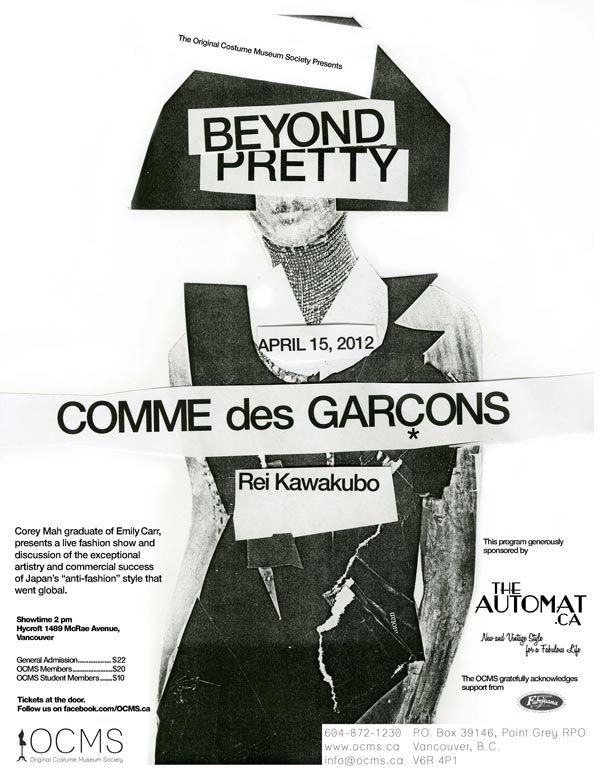
Behind it stood Rei Kawakubo, a woman who didn’t fit Japan’s mold of beauty, industry, or femininity.
She was not trained in fashion. She was trained in thinking.
Her background in fine arts and literature shaped her into an outsider — one who saw fabric as language, and clothing as rebellion.
“The world of fashion needs another kind of balance,” she once said.
“Something that breaks, not something that follows.”
THE UNDERGROUND: A CITY IN FLUX
Tokyo in the 1970s was electric.
Economic optimism pulsed through the city — skyscrapers rose, television sets glowed, and youth culture began to splinter into a thousand directions.
While mainstream Japan embraced the Western dream — colorful suits, imported music, luxury trends — an underground current formed beneath it.
It was made up of:
- Students and artists rebelling against conformity
- Musicians and photographers exploring raw aesthetics
- Designers and thinkers rejecting tradition
This was postwar Japan’s creative explosion — where imperfection, asymmetry, and silence became tools of expression.
It was here that Rei Kawakubo found her voice.
BORN FROM CONTRADICTION
In 1969, Kawakubo began producing clothes under the name comme des garcons — French for “like boys.”
The irony was intentional.
A Japanese designer, using French words, to create genderless clothing in a culture defined by strict roles.
She launched her company officially in 1973.
Her aesthetic — raw, monochrome, unpolished — stood against everything the Japanese fashion industry celebrated.
While Tokyo’s department stores filled with tailored suits and feminine dresses, Kawakubo’s world was filled with:
- Torn edges and unfinished hems
- Black, grey, and ivory tones
- Shapes that defied the body
- Silhouettes that blurred gender lines
In the early years, she was called strange. Unfeminine. Un-Japanese.
But she wasn’t trying to be understood. She was trying to be free.
“Freedom is not about being liked,” Kawakubo said.
“It’s about being able to think differently.”
SHIBUYA & AOYAMA: THE NEW FRONTIER
By the late 1970s, Tokyo’s Aoyama district became the heart of a new creative underground.
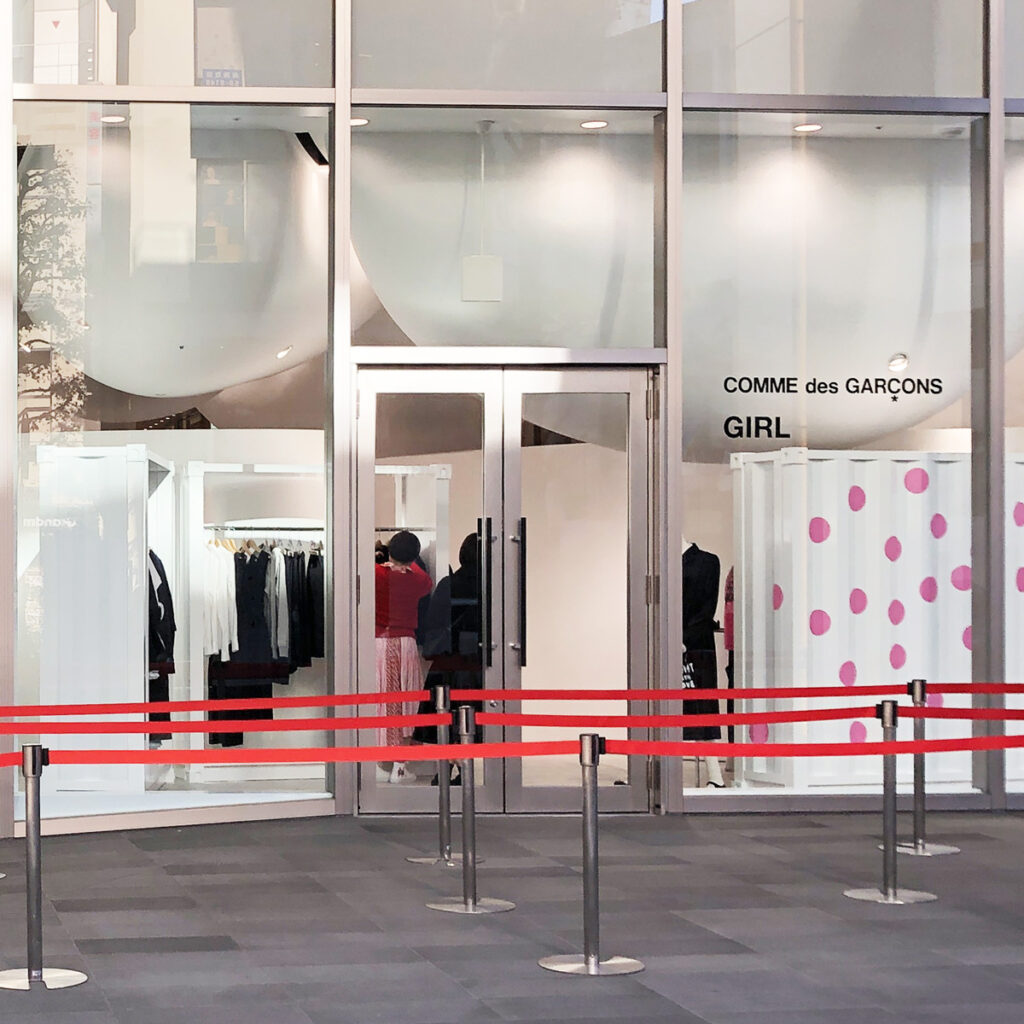
Minimalist architecture, concept stores, and experimental galleries transformed it into a cultural nerve center.Kawakubo opened her first comme des garcons boutique there — stark, industrial, stripped of decoration.
It was more than a store; it was a manifesto.
The walls were white. The music was minimal. The clothes looked like they were made for ghosts.
And yet — people came. Artists, filmmakers, musicians, and thinkers gathered around her designs like pilgrims at a new kind of shrine.
Her customers weren’t buying fashion.
They were buying identity — something against the grain.
THE CROWS OF TOKYO
The followers of comme des garcons became a movement themselves.
They were known as “The Crows.”
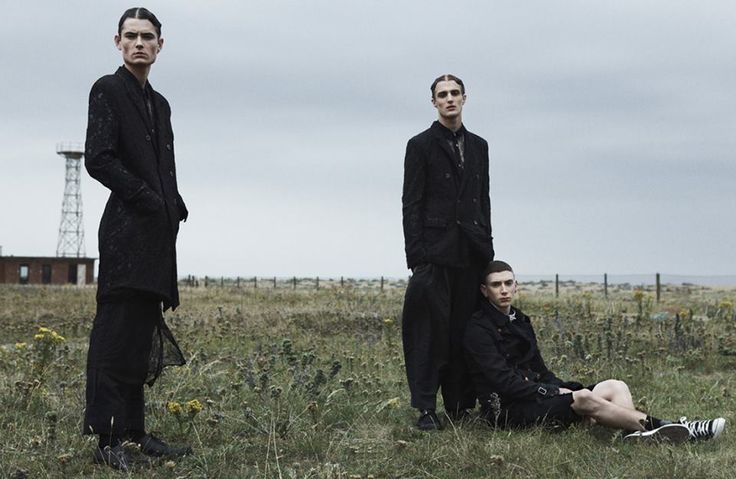
These were young Japanese who dressed entirely in black — layered, deconstructed, genderless.
To outsiders, they looked somber, even ghostly. But to each other, they represented liberation from beauty standards, career expectations, and gender roles.
In Tokyo’s Harajuku backstreets, they gathered at night — sharing zines, discussing art, philosophy, and life.
Their look spread through youth culture like wildfire.
It wasn’t glamorous. It was authentic.
THE SOUNDTRACK OF REBELLION
The 1970s Tokyo underground scene wasn’t just fashion — it was music, art, and performance.
Artists like Ryuichi Sakamoto, YMO (Yellow Magic Orchestra), and Phew were experimenting with sound, while independent photographers like Nobuyoshi Araki and Daido Moriyama captured the chaos and melancholy of postwar Japan.
In this cultural ecosystem, comme des garcons became the visual equivalent of Japan’s new wave sound — minimal, melancholic, and future-forward.
Fashion, for the first time, wasn’t decoration. It was philosophy.
1981: THE PARIS INVASION
In 1981, Rei Kawakubo took her Tokyo-born vision to Paris Fashion Week — and everything changed.
Her debut collection — torn black fabric, asymmetrical cuts, unfinished forms — shocked Europe.
Critics mocked it as “Hiroshima chic.”
But history would remember it as a turning point in modern fashion.
The Tokyo underground had gone global.
What began in hidden studios beneath Shibuya had now infiltrated haute couture.
Kawakubo’s darkness exposed Paris’s complacency.
Her anti-fashion became the new frontier of beauty.
“When I showed in Paris,” she said,
“I wanted people to see something they had never seen before —
not beauty, but truth.”
DECONSTRUCTION AS IDENTITY
The 1980s were the decade when comme des garcons, alongside Yohji Yamamoto and Issey Miyake, defined the Japanese avant-garde.
They didn’t design clothes — they designed ideas.
comme des garcons introduced deconstruction long before it became a trend.
The seams were visible, the fabric was raw, the silhouettes unbalanced.
It wasn’t about perfection — it was about the process.
In a world obsessed with glamour, Kawakubo gave us vulnerability.
She called one of her 1982 collections “Destroy.”
It wasn’t nihilism. It was evolution.
Destroy the old to make space for the new.
THE 1990s: TOKYO RECLAIMS ITS POWER
By the 1990s, Japan had become the epicenter of global street style.
While luxury brands dominated Paris and Milan, Tokyo’s underground flourished — a mosaic of influences from punk, minimalism, and cyber culture.
comme des garcons expanded its reach:
- Comme des Garcons Homme Plus introduced avant-garde menswear.
- Tricot Comme des Garcons gave knitwear new dimension.
- Junya Watanabe, Kawakubo’s protégé, began merging technology and tailoring.
At the same time, Tokyo youth culture birthed Ura-Harajuku, where independent designers and experimental shops reflected the same rebellious energy Kawakubo ignited decades earlier.
Her influence wasn’t just in clothing — it was in thinking differently.
THE 2000s: FROM UNDERGROUND TO UNIVERSAL
The 2000s saw Kawakubo take her underground ethos mainstream — without compromise.
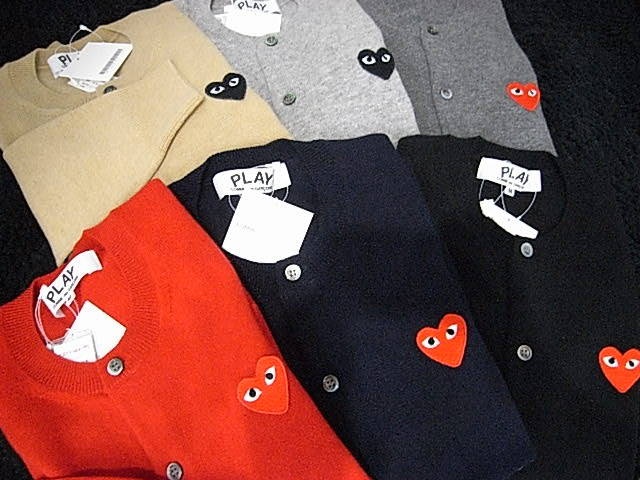
comme des garcons PLAY debuted in 2002, featuring the iconic heart with eyes logo designed by artist Filip Pagowski.
Simple, minimal, yet subversive — it became the symbol of high-street avant-garde.
Collaborations with Converse, Nike, and Supreme made the brand a bridge between art and youth culture.
But even as it grew, the core philosophy remained: imperfection is power.
Meanwhile, Dover Street Market (DSM) — founded by Kawakubo and Adrian Joffe — became a living art space, redefining what a store could be.
Every display changed seasonally, every rack told a story.
It was the Tokyo underground reborn in luxury form — chaos, beauty, and concept in harmony.
THE MODERN ERA: REI’S SILENT INFLUENCE
Today, comme des garcons is a global empire — yet it still feels personal, mysterious, and defiantly niche.
Each collection continues to defy logic:
- 2012’s White Drama explored life rituals.
- 2014’s Not Making Clothes literally refused to make wearable garments.
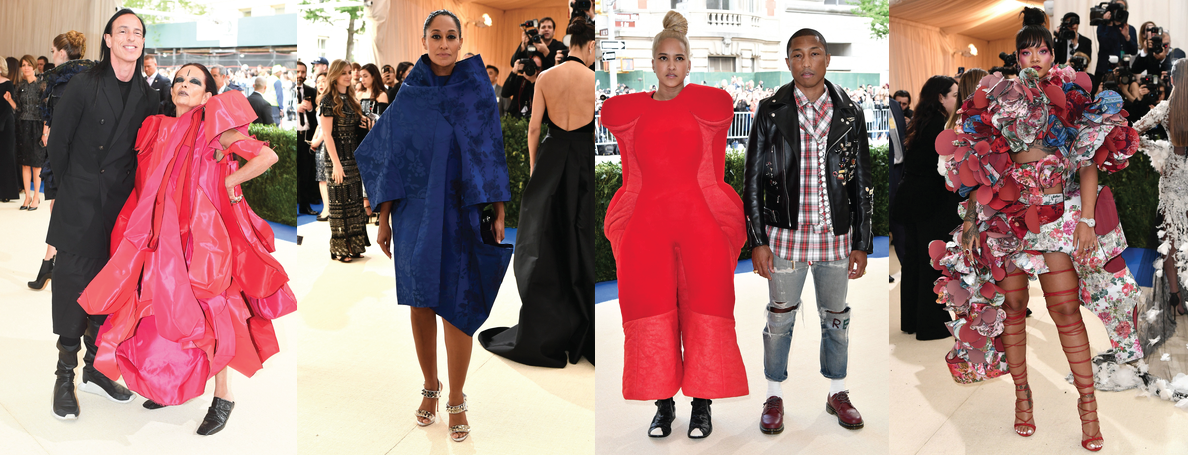
- 2017’s The Art of the In-Between at The Met proved Kawakubo’s status as a living legend.
Still based in Tokyo, Kawakubo leads quietly — avoiding interviews, social media, and spectacle.
Her silence has become her signature.
“The void is full of possibilities,” she once said.
In that void lies her genius — a refusal to explain what doesn’t need explanation.
TOKYO’S LEGACY — THE UNDERGROUND THAT NEVER DIES
Walk through Tokyo today — from Aoyama to Harajuku — and you’ll still feel her shadow.
In small ateliers, vintage stores, and experimental cafes, the comme des garcons spirit lives on:
- young designers exploring identity through imperfection,
- streetwear that rejects gender and form,
- artists who find beauty in chaos.
The underground never disappeared — it evolved.
It became the soul of modern Tokyo style.
WHY IT STILL MATTERS
Because comme des garcons was never just about clothes.
It was — and still is — a movement.
It’s about breaking rules before the world even knows what they are.
It’s about being misunderstood and still creating.
It’s about Tokyo — the city that taught the world that rebellion can be quiet, and beauty can be broken.
REI KAWAKUBO: WORDS THAT BUILT A MOVEMENT
🖋️ “Fashion is something that gives form to the spirit.”
🖋️ “I work with space between body and fabric — not the body itself.”
🖋️ “I want to make clothes that cannot be categorized.”
🖋️ “Being modern is about not being afraid.”
EPILOGUE — THE SOUND OF SILENCE
The Tokyo underground doesn’t roar — it whispers.
And that whisper still echoes through every street, every stitched seam, every unfinished edge that dares to be imperfect.
comme des garcons didn’t just change fashion.
It redefined what it means to create — and what it means to be free.